Doorway Sensory Swing for Preschoolers Self-Regulation
Sensory Gear for Preschool & Big Kids
A doorway compression swing that gives sensory-seeking kids the deep-pressure input they’re constantly chasing — without rearranging your whole house.
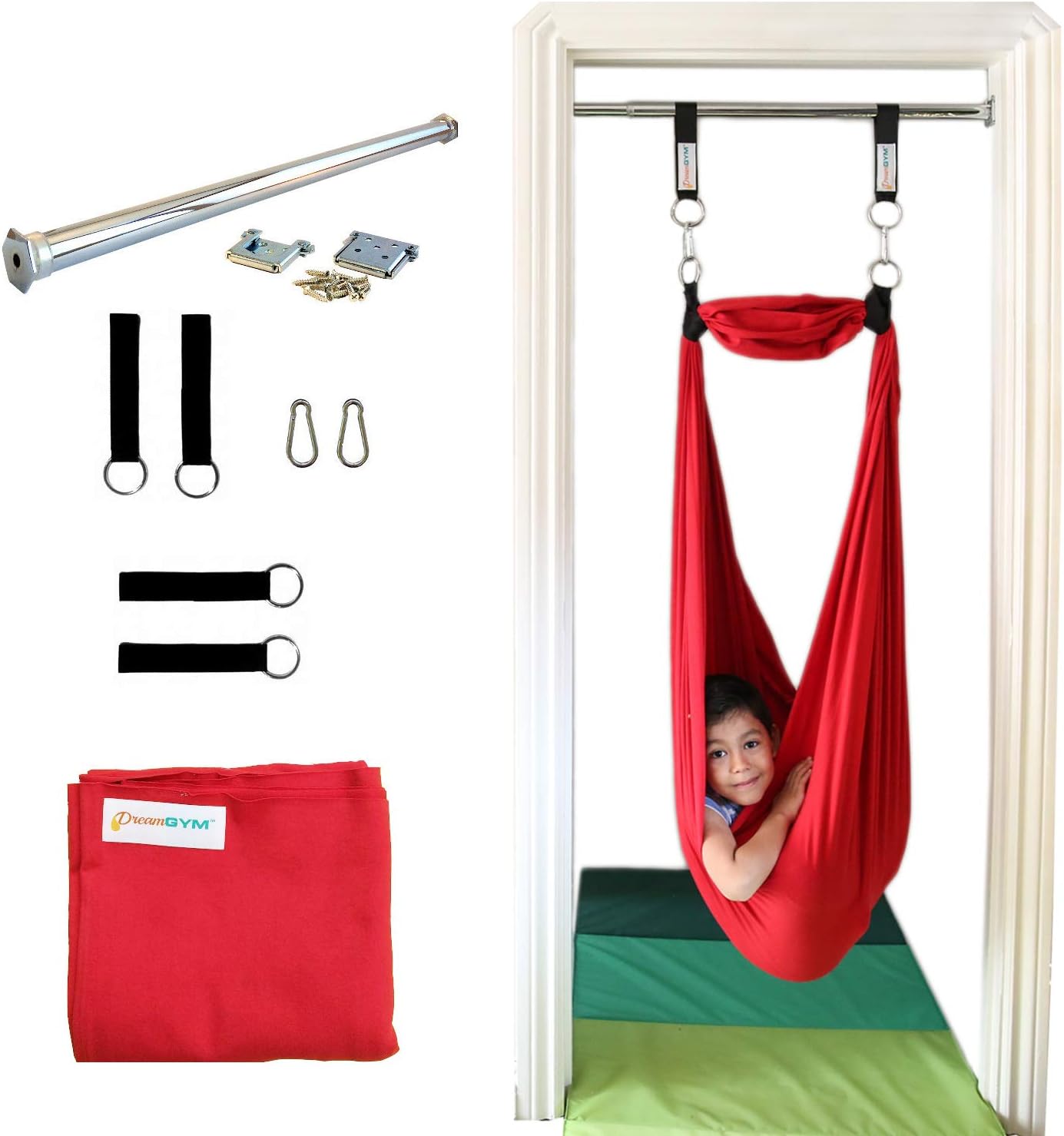
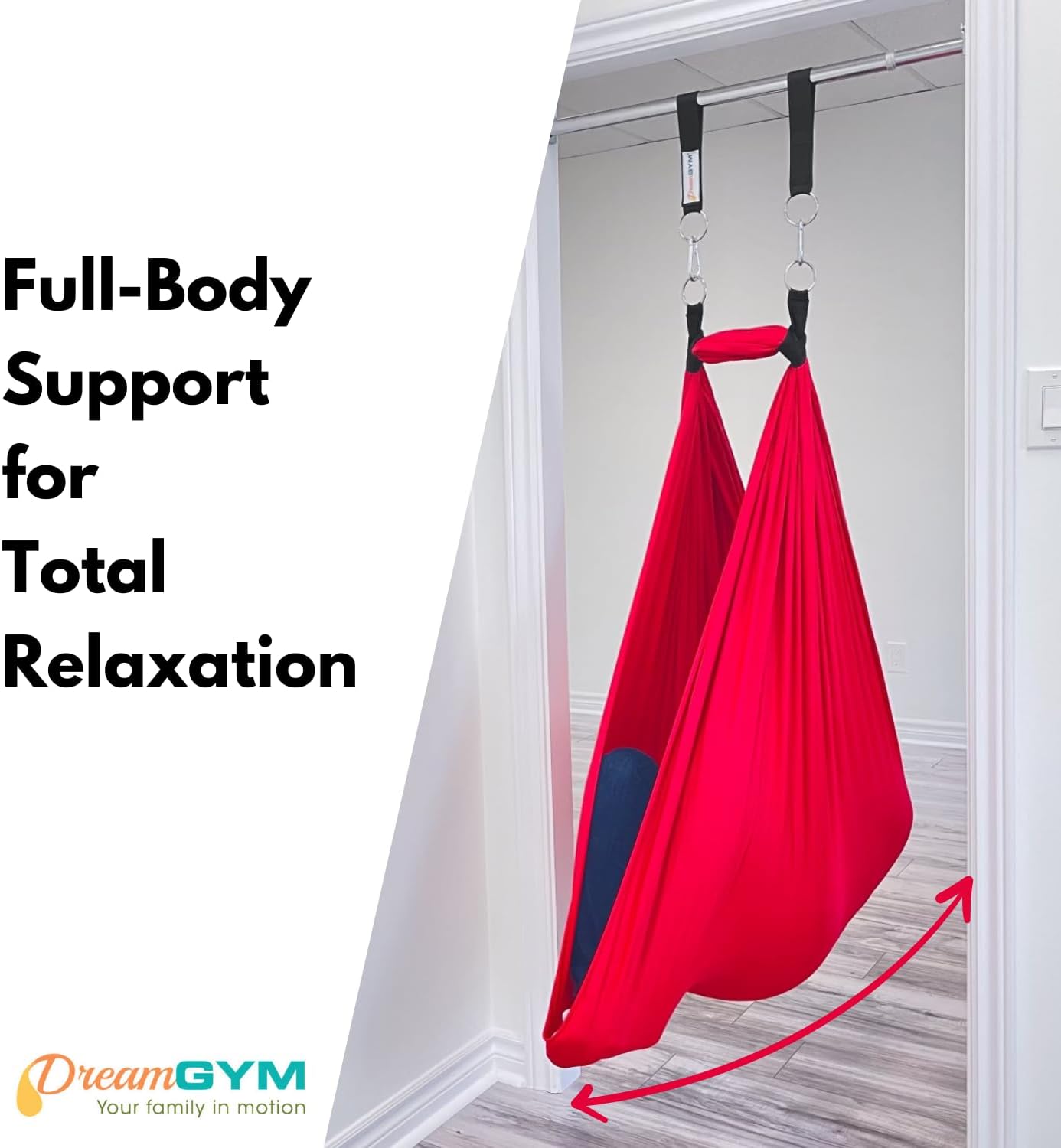
Picture this: it’s 4pm on a Tuesday, your preschooler has been bouncing off the walls since pickup, and you can see the meltdown building like a weather system. That was us, pretty much every afternoon, before we hung the DreamGYM Doorway Sensory Swing in our hallway. Within about ten minutes of climbing in that first time, my kid went from wound-up to genuinely calm — the kind of calm that used to take an hour of negotiating. I didn’t fully believe a swing could do that until I watched it happen.
What I Love
Here’s what stood out after a few months of regular use with a sensory-seeking 4-year-old who needs a lot of proprioceptive input throughout the day.
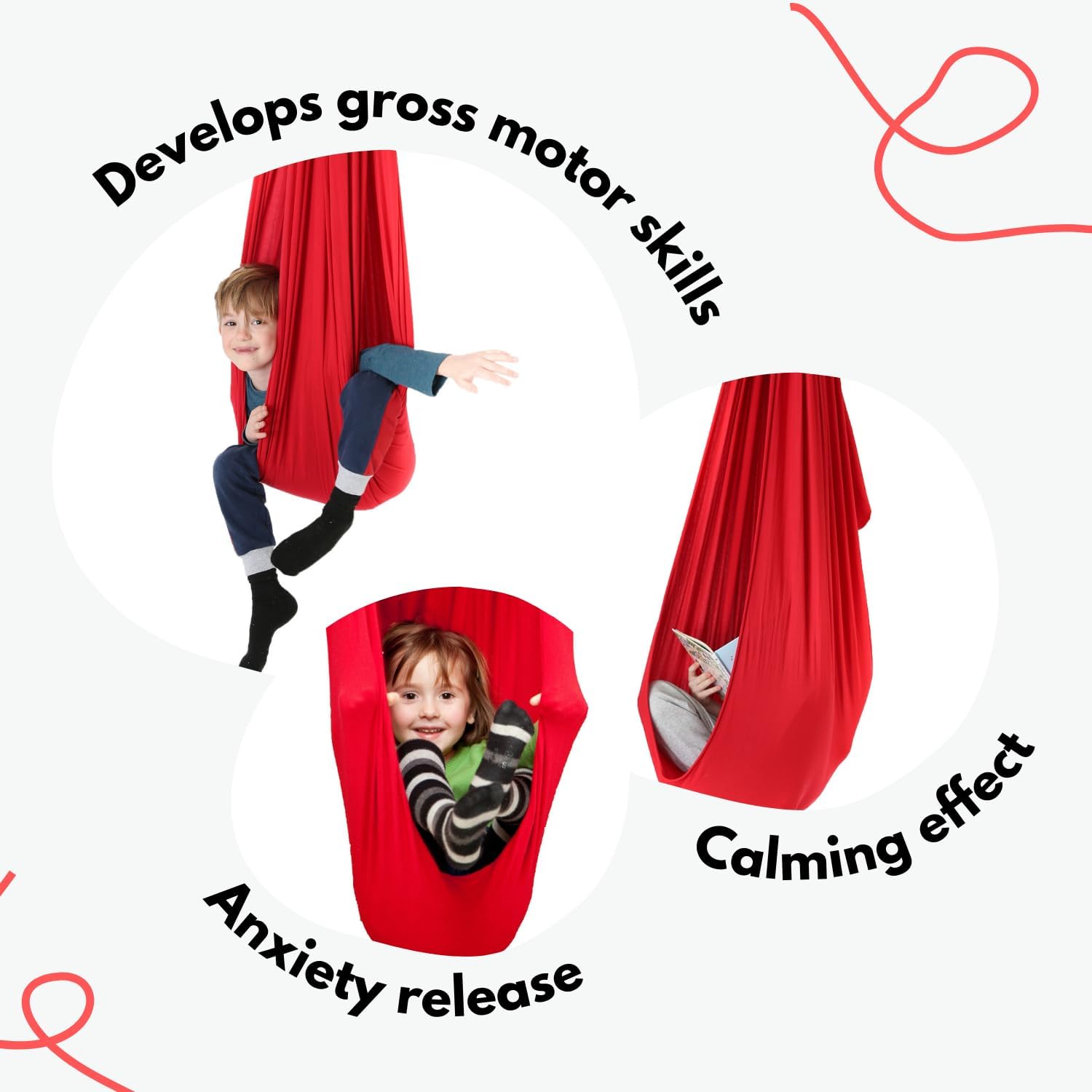
- The compression design actually works — it’s not a loose hammock, it wraps around the body and provides that cocooning pressure kids with sensory needs crave.
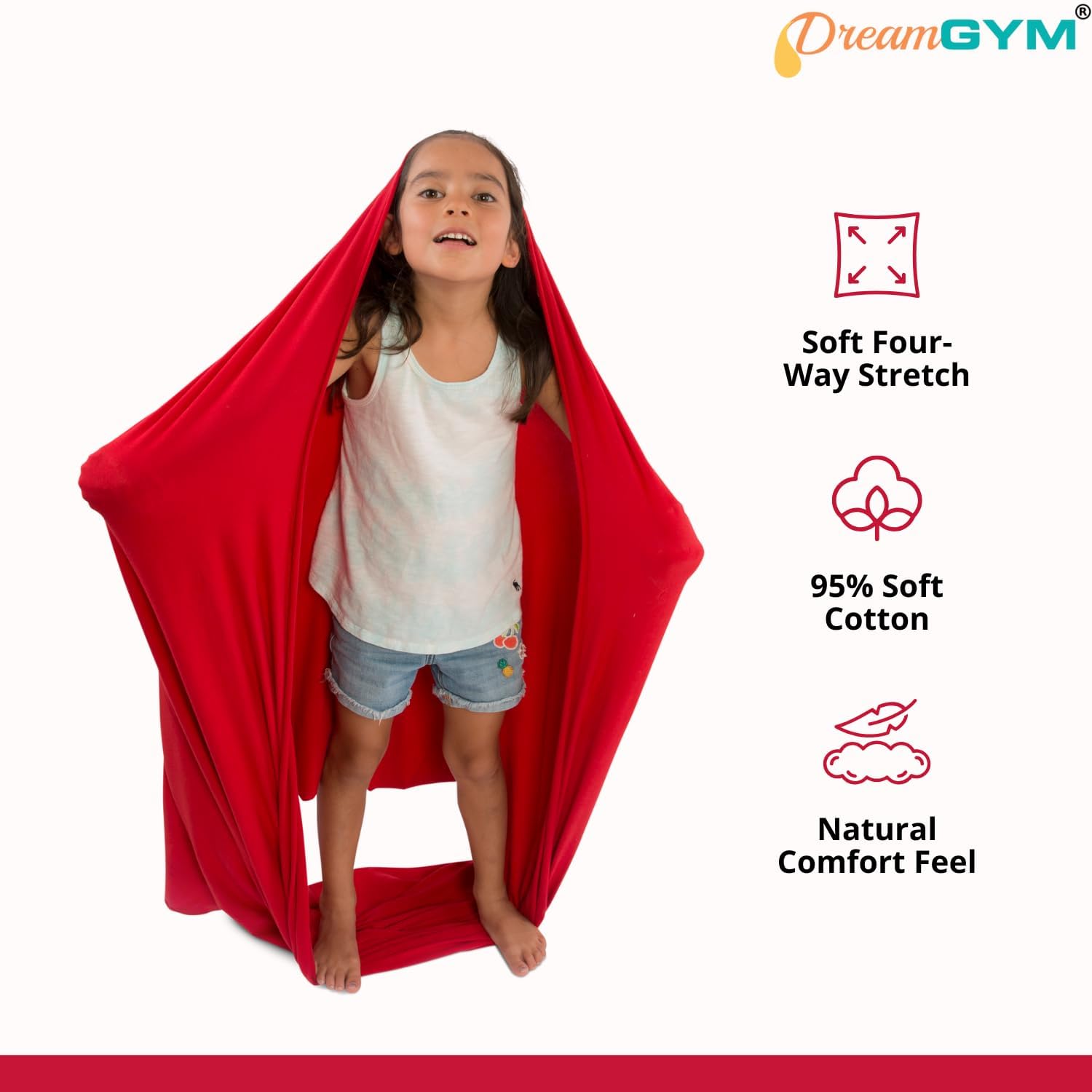
- The 95% cotton fabric is soft, breathable, and hasn’t pilled or stretched even after heavy daily use by a rowdy preschooler.
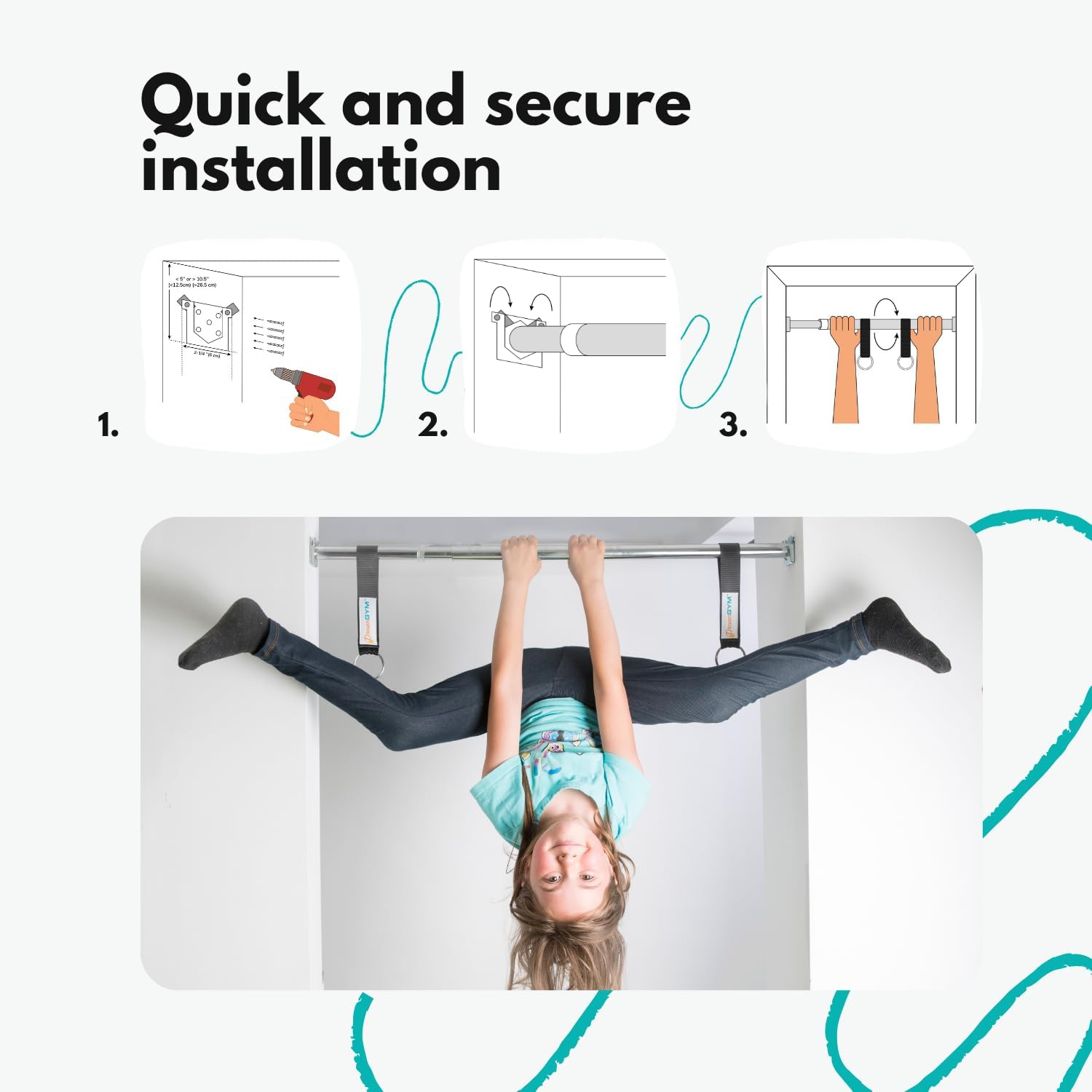
- The steel bar and bracket setup feels genuinely solid — no creaking, no wobble once it’s installed correctly in a standard doorframe.
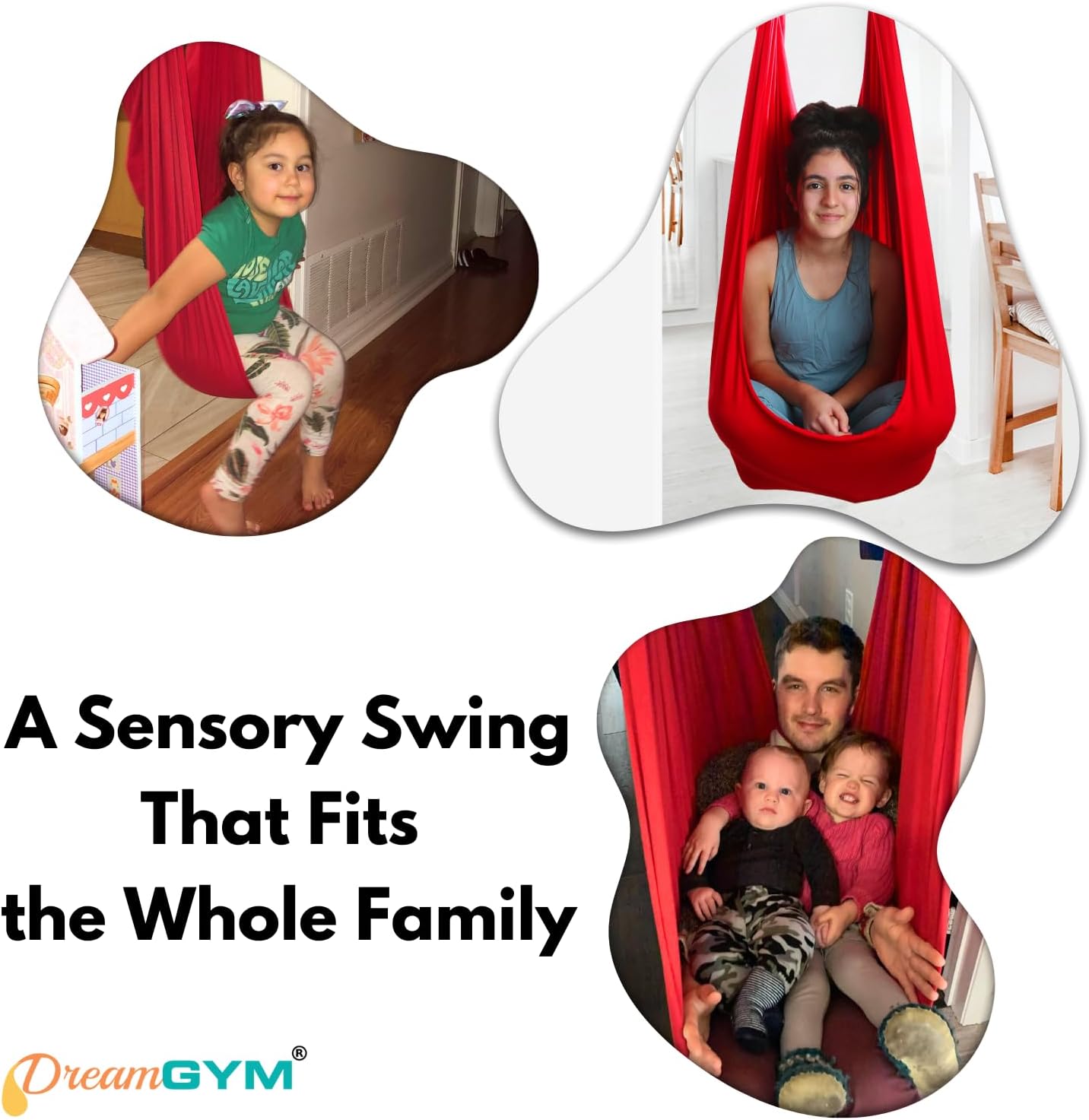
- The 220lb weight limit means this isn’t just a toddler toy with a short shelf life — older siblings and even adults can use it, which matters for the price point.
What to Watch For
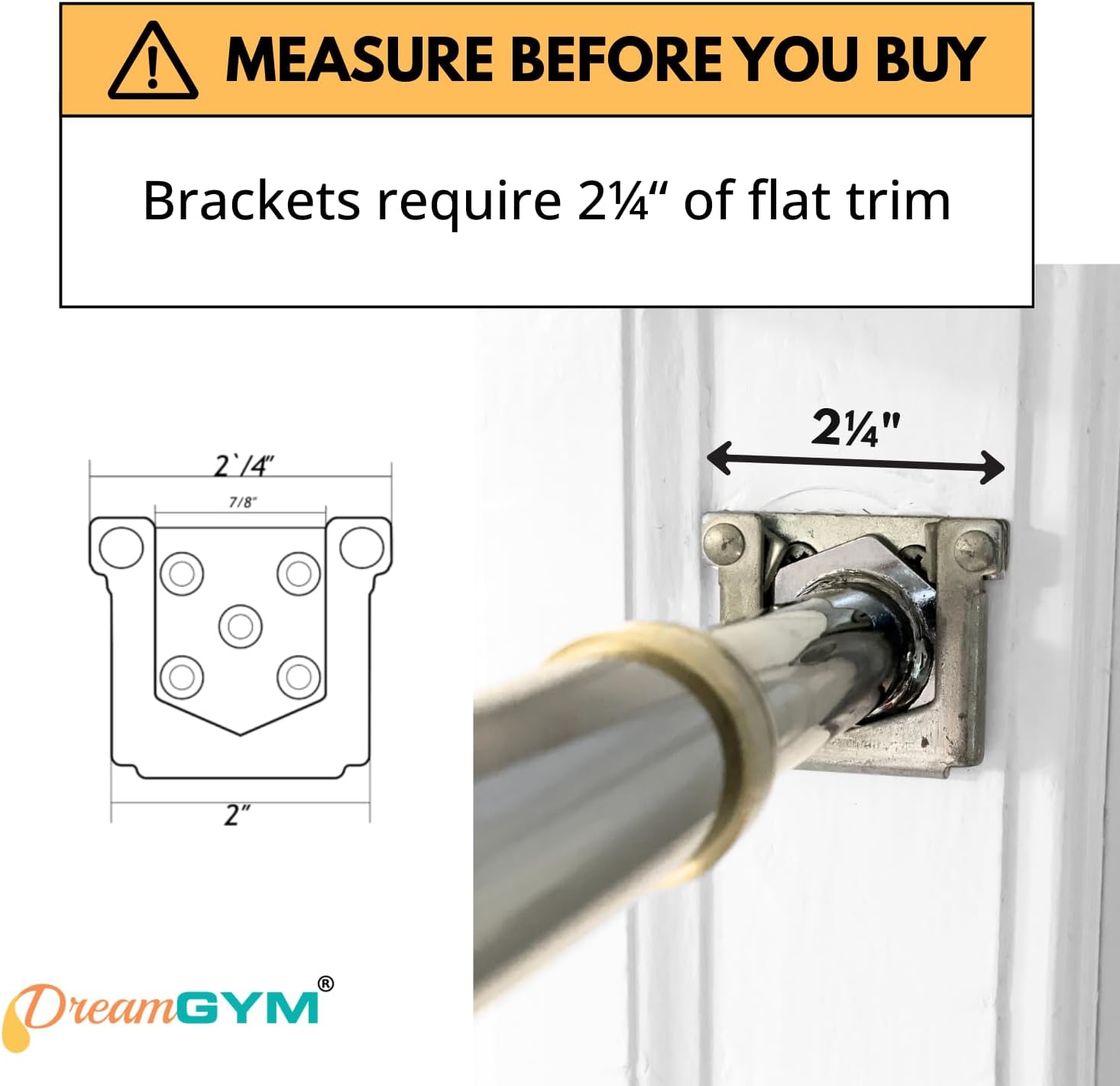
Installation is not a five-minute job. You need a doorframe that can actually bear load, and the bracket mounting takes some care to get right. Don’t skip the setup instructions, and absolutely supervise young children every time they’re using it — this is therapeutic sensory gear, not a set-it-and-forget-it situation.
- The swing requires a doorframe with enough depth and structural integrity — not all doorways qualify, so measure and assess before you order.
- Getting small kids in and out of the compression sleeve independently takes practice; younger preschoolers will need adult help at first.
Who It’s For
This is made for the kid who is always crashing into things, seeking tight hugs, or can’t wind down after school. If your child has sensory processing differences, is in occupational therapy, or just runs hotter than their peers, this doorway swing can become a real part of your daily routine. It’s also a fantastic tool for families who’ve been told by a therapist to increase proprioceptive input at home but aren’t sure how.
“For sensory-seeking preschoolers, this swing does more work in ten minutes than most toys do all day.”
How My Kid Actually Plays With It
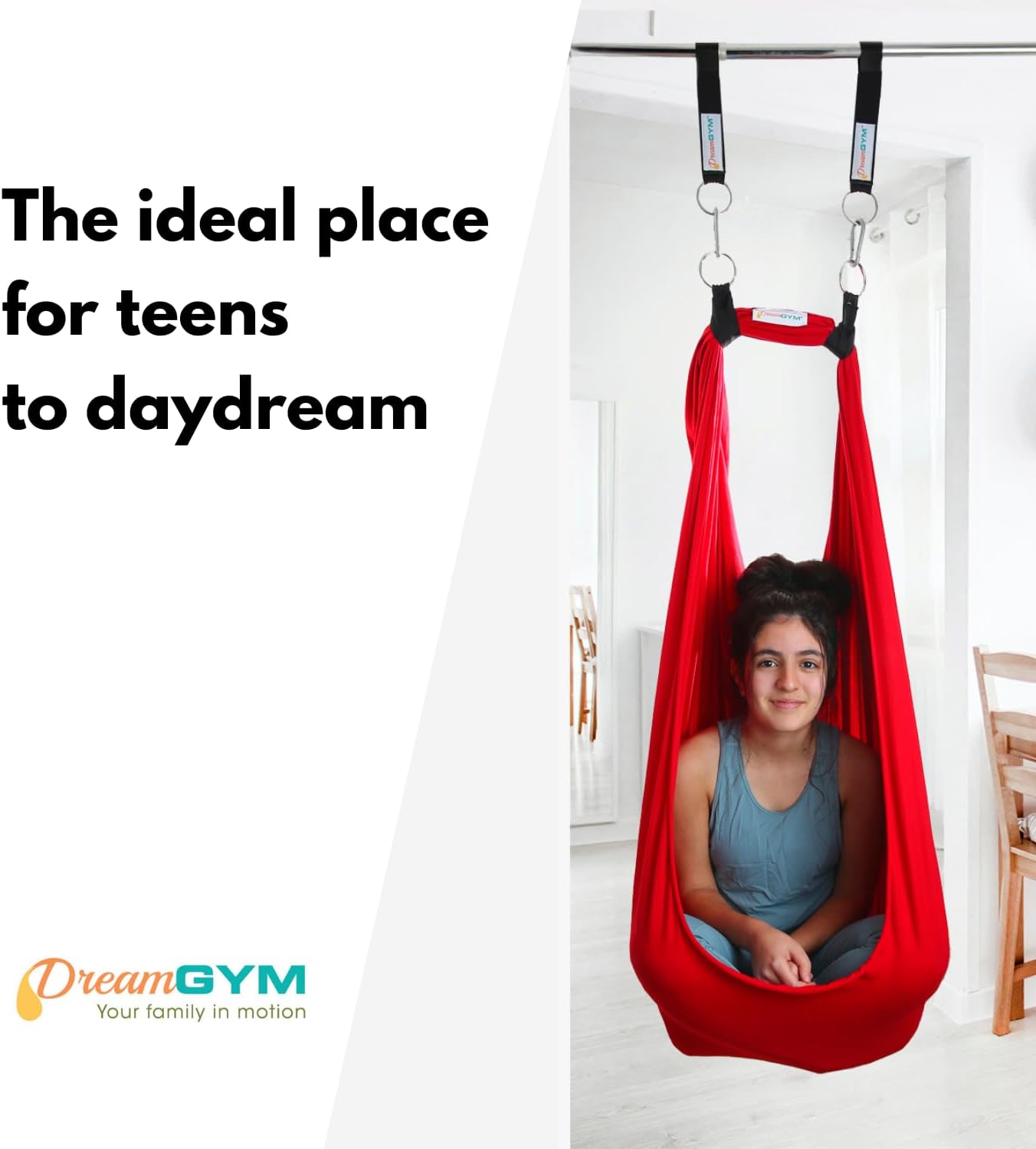
Solo play: My kid climbs in independently now and just… swings. Sometimes with a book, sometimes staring at the ceiling. It’s become a self-initiated calming routine, which is honestly the goal for any sensory tool at this age stage.
With a parent / sibling: We use it as a co-regulation moment — I’ll give gentle pushes and we’ll count swings together, which turns it into connection time and a regulation strategy at once.
What Other Parents Are Saying
Quick FAQ
Is it appropriate for kids under 3?
The brand recommends ages 3 and up, and I’d agree — younger toddlers need full adult support getting in and out, and the compression fit is really designed for kids who can communicate their comfort level.
Does my doorframe need to be a specific size?
Yes. You’ll want to check that your doorframe is structurally sound and can support the bracket hardware. Standard interior doorframes typically work, but double-check depth and material before installing.
Is it easy to take down when not in use?
The swing itself can be unclipped and stored, but the brackets stay mounted. If you want a clean look, you’ll want to choose a doorframe in a lower-traffic spot.
The Verdict
For families navigating sensory needs at the preschool age stage, the DreamGYM Doorway Sensory Swing is a practical, durable tool that earns its place in the home. It’s not a decorative item or a casual toddler toy — it’s purpose-built therapeutic sensory gear that requires real setup and real supervision. But if your child needs this kind of input, the results speak for themselves. If you have a sensory-seeking kid between 3 and 8 and space in a doorframe, this is worth every penny of what you’re paying.
As an Amazon Associate I earn from qualifying purchases.